Regulatory Shifts Reshaping Access to Reel-Based Reward Systems in Select European Markets
Ulrich Perry · Oct 26, 2026
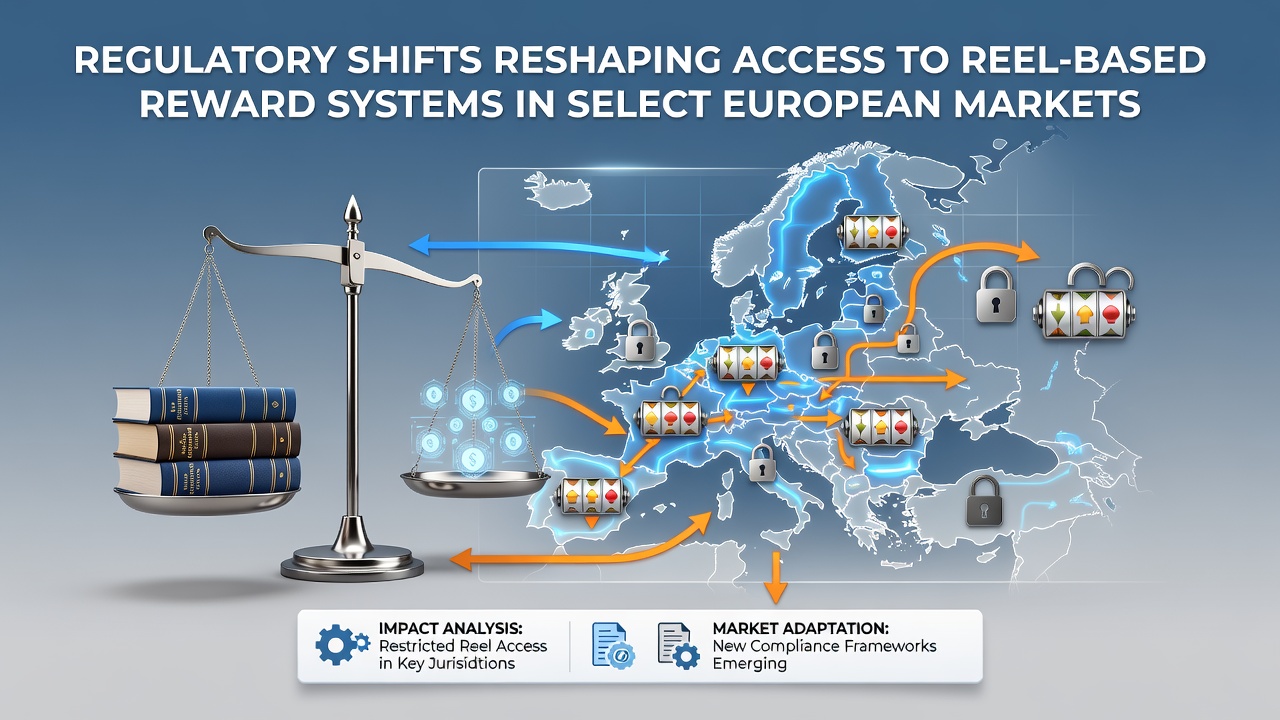
Regulatory Shifts Reshaping Access to Reel-Based Reward Systems in Select European Markets
European regulators continue to adjust frameworks governing reel-based reward systems, which include online slot mechanics and bonus structures tied to spinning reels, and these adjustments affect player access in Germany, the Netherlands, and Sweden. New licensing conditions now require operators to integrate real-time verification tools that confirm eligibility before any reel engagement begins, while deposit caps and session timers limit prolonged interaction with reward features. Data from national authorities shows that such measures have reduced average session lengths by measurable percentages in monitored jurisdictions since their phased rollout began.
Key Regulatory Updates Across Targeted Markets
Germany implemented updates to its interstate treaty on gambling that took full effect in early 2025, yet additional compliance layers scheduled for October 2026 will further restrict how reel-based rewards can be presented to users. Operators must now display mandatory risk warnings alongside every spin sequence, and bonus rounds tied to reel combinations face stricter payout transparency rules that force clear disclosure of probability tables before activation. Observers note that these steps build on earlier requirements for centralized player accounts, which already track total wager volumes across multiple platforms.
The Netherlands has seen its Kansspelautoriteit enforce tighter controls on reel-based systems through updated licensing agreements that emphasize harm prevention metrics, and these agreements require operators to pause reward sequences automatically once predefined loss thresholds are reached. Figures from the authority indicate that over 120,000 accounts triggered such pauses in the first half of 2026 alone, leading to temporary blocks on further reel play until a cooling-off period expires. Similar patterns appear in Sweden where the Spelinspektionen has mandated integration of national self-exclusion registers directly into game interfaces, preventing any reel-based reward activation for registered individuals even if they attempt to bypass via new accounts.
Technical Adjustments Operators Must Implement
Operators across these markets now deploy API connections to government-run verification databases that check user status in real time before loading any reel interface, and this process adds seconds to initial load times while ensuring compliance. Reel-based reward systems must also incorporate dynamic stake limits that adjust based on individual player history rather than fixed amounts, which requires backend systems to recalculate eligibility on each session start. Research reports from industry groups highlight that these technical demands have prompted several smaller providers to exit certain markets rather than invest in the necessary infrastructure upgrades.

Additional rules focus on marketing restrictions that prohibit any promotional content featuring reel outcomes or bonus triggers in public channels, forcing operators to shift toward neutral informational pages that avoid visual depictions of spinning reels. In Germany the October 2026 deadline will introduce mandatory third-party audits of all reward algorithms to confirm they align with stated return-to-player percentages, while the Netherlands requires quarterly reporting on how many users reach daily reel engagement caps. Sweden has already rolled out similar audit cycles, and aggregated statistics reveal consistent declines in new account registrations for platforms heavy on reel-based features.
Market Data and Compliance Trends
According to the European Gaming and Betting Association, licensed operators in the three markets reported a combined 18 percent drop in reel-related transaction volumes during the first three quarters of 2026 compared with the prior year. This decline coincides with the expansion of mandatory loss-limit tools that users must set before accessing any reel-based reward sequence. The authority in the Netherlands published separate figures showing that 92 percent of active accounts now maintain at least one active limit setting, a direct result of policy changes that made such settings non-optional at registration.
Academic analyses from research centers tracking gambling behavior indicate that younger age groups, previously the heaviest users of reel systems, show the sharpest reductions in participation rates following these regulatory updates. Cross-border operators have responded by creating region-specific game versions that strip out certain bonus reel features unavailable under local rules, which allows them to maintain presence while meeting varied compliance standards. Yet the same studies document that some players migrate to unregulated offshore sites when domestic options become more restrictive, though enforcement actions have increased seizures of related payment flows.
Conclusion
Regulatory evolution in these select European markets continues to standardize access protocols for reel-based reward systems through verification layers, spending caps, and algorithmic audits. October 2026 marks another implementation milestone in Germany that will extend similar controls already active elsewhere, and ongoing data collection by national bodies will track whether these measures produce sustained shifts in player engagement patterns. Operators adapt by refining their technical setups and reporting routines to align with each jurisdiction's distinct requirements while preserving licensed operations.