Connecticut Directs Nine Prediction Market Firms to Cease Sports Contracts for State Residents
Otto Simmons · Sep 14, 2026

Connecticut Directs Nine Prediction Market Firms to Cease Sports Contracts for State Residents
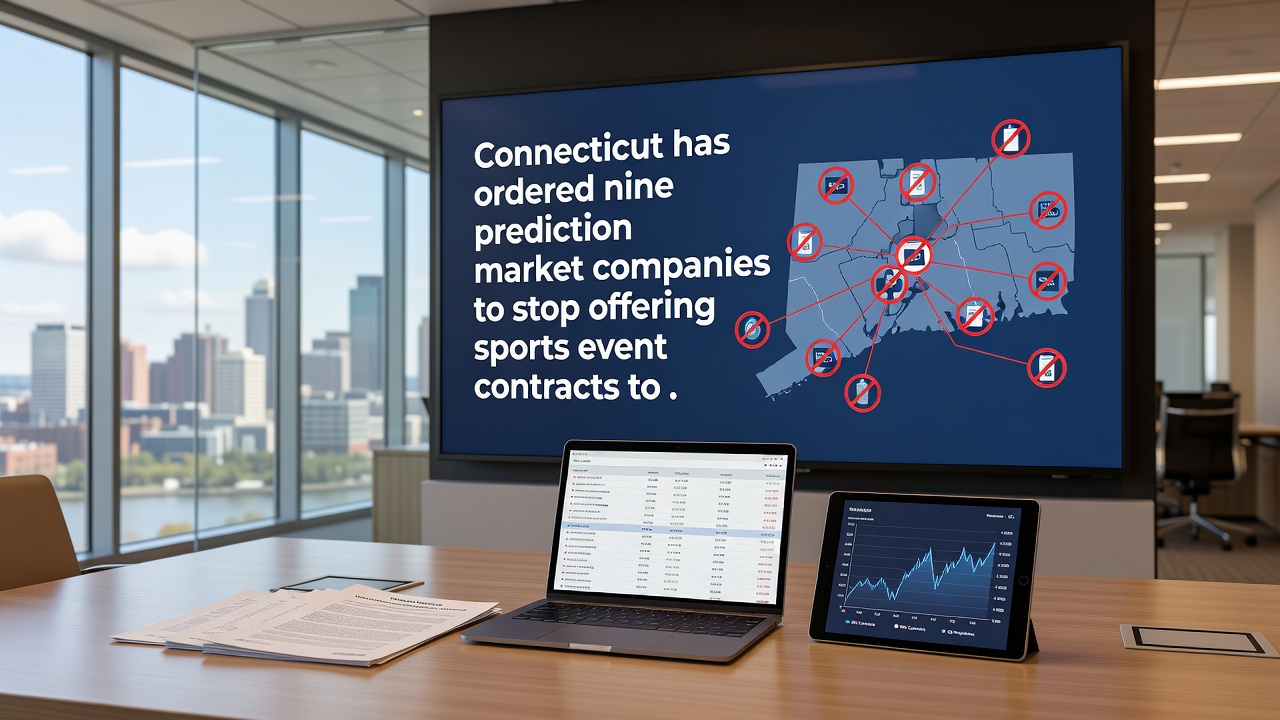
Connecticut regulators have issued orders to nine prediction market companies, instructing them to halt the offering of sports event contracts to residents within the state, and state officials continue to expand enforcement measures targeting unauthorized sports betting operations across multiple platforms.
Details of the Regulatory Order
State authorities sent formal directives to the identified companies, requiring them to stop providing contracts tied to sports outcomes for anyone located in Connecticut, and these actions form part of a broader push to limit access to betting products that operate outside established state licensing frameworks. The companies received specific instructions to block resident participation, which includes preventing account access and prohibiting new sign-ups from Connecticut IP addresses or addresses.
Enforcement teams within the state gaming regulatory body have increased monitoring of prediction market sites that list sports events, and officials have noted that several platforms previously allowed users to trade on game results without holding the required permissions under Connecticut law. This step follows earlier warnings issued to similar services, with the current orders representing a direct escalation in compliance demands.
Background on Prediction Markets and Sports Contracts
Prediction markets function as platforms where participants buy and sell contracts based on the likelihood of specific future events, and sports contracts represent one category that ties value directly to game scores, team performance, or individual player statistics. Connecticut law distinguishes between licensed sports betting operators and other entities that offer similar products without state approval, creating a clear boundary that regulators now enforce more strictly against the nine firms in question.
Those who operate licensed sportsbooks in the state must meet detailed standards for consumer protection, tax collection, and data security, whereas the targeted prediction market companies do not hold such licenses for sports-related activity. Observers note that the distinction matters because unauthorized platforms fall outside the revenue-sharing agreements and oversight mechanisms established for legal operators.
Enforcement Expansion Across Platforms
State officials have stepped up reviews of websites and applications that accept wagers on sports events from Connecticut addresses, and they have coordinated with payment processors to identify transactions linked to non-compliant services. The nine companies affected by the latest orders represent a focused group, yet regulators have signaled that additional firms could receive similar notices if they continue to offer sports contracts without authorization.
Records from the regulatory process show that the orders require prompt action, including the removal of sports event listings visible to Connecticut users and the implementation of geo-blocking measures. Companies that fail to comply face potential further penalties, although the immediate focus remains on halting resident access to these specific contracts.
Resident Impact and Compliance Steps
Connecticut residents who previously held accounts on these platforms must now navigate account restrictions or closures related to sports contracts, and many have received notifications outlining the changes in service availability. Officials have directed users toward licensed sports betting options that operate under state oversight, which include established retail and mobile platforms that collect taxes and adhere to responsible gaming requirements.
Data from the state indicates that licensed sports betting generates measurable tax revenue allocated to public programs, whereas activity on unauthorized platforms does not contribute to those funds. Regulators have published guidance explaining how residents can verify whether a platform holds proper authorization before placing wagers on sports events.
Connection to Broader Regulatory Efforts
The current orders align with ongoing state efforts to maintain control over all forms of sports wagering, and they build on previous actions taken against offshore or unlicensed operators. According to reports available at the linked regulatory update, enforcement teams continue to track new entrants into the prediction market space that include sports categories in their offerings.
Companies that receive such directives typically have a defined period to demonstrate compliance through technical changes and user notifications, after which regulators conduct follow-up checks. The process ensures that sports event contracts remain available only through channels that meet Connecticut's licensing standards.
Conclusion
Connecticut's action against the nine prediction market companies underscores the state's commitment to regulating sports event contracts through authorized channels, and residents now encounter clearer boundaries between licensed services and those operating without approval. The enforcement expansion continues to shape how platforms manage access for Connecticut users, with officials maintaining oversight of both existing and emerging services in this category.